
Weaving Home Out of Many Threads
People build a shared sense of self from memory, place, craft, and choice
Names we inherit and names we claim
Identity begins before speech in the way elders hold a child and pronounce the first names that will gather a life. Some names arrive through blood, others through devotion or promise, and some are chosen later when a person understands the shape of their path. Each title sits inside stories that explain why it deserves honor. A clan name might recall a ridge that protected fields in a lean year, while a craft name might recall the day a workshop rebuilt after a fire. Over time the bundle of names becomes a kit for living that can expand as people move, marry, or learn. Ceremony secures this bundle. A naming meal welcomes neighbors who will help teach the child how to carry praise with humility, and how to answer insult without shame. Nicknames add comedy and tenderness that ease the weight of duty. Some stick, some fade, and both outcomes teach that identity is stable without being rigid. Titles for service may come and go as seasons change. A person might serve as keeper of keys one year and as leader of songs the next. These shifts let youths practice courage and let elders practice trust. At the center sits choice. People who add a name to reflect a new craft or a new devotion show that identity is not only inherited property, it is also achievement and promise. In this careful mix of gift and decision, the self grows roots and wings at the same time, ready to honor lineages while reaching toward work that has not been tried before. A new name taken with care honors elders while staking a path for work yet to be done.
The kitchen, the workshop, and the sound of belonging
The place where food is made and tools are mended teaches identity with scents and sounds that cannot be forged. A kitchen that keeps a certain spice near the stove writes a quiet signature on every guest who leaves smiling, and a bench that holds a family hammer tells youth that repair is expected. The way a pan is deglazed, the way dough is folded, the way shavings curl from a plane, all of these movements repeat lessons older than any one cook or carpenter. Apprentices learn that culture is a choreography of small decisions, and that excellence grows from care before it grows from speed. When families move, they pack these gestures first. A chipped mug travels for comfort, a seasoned pan travels for continuity, and a worn pattern book travels for courage. Markets reflect such choices with stalls that cluster around shared cravings. You can walk a block and hear three tempos of chopping, three vocabularies of steam, and three styles of greeting, yet all speak hospitality. Workshops do similar labor. A guild banner on a narrow street announces what a town makes proud, and the pattern of opening shutters at dawn becomes a civic hymn. In both spaces the goal is not luxury, it is reliability. Food should taste like promises kept. Tools should fit the hand without pain. Identity becomes audible in these rooms, a music of wooden spoons, clamps, stones, and laughter that tells newcomers how to join without asking permission twice.
Borders that move and identities that travel
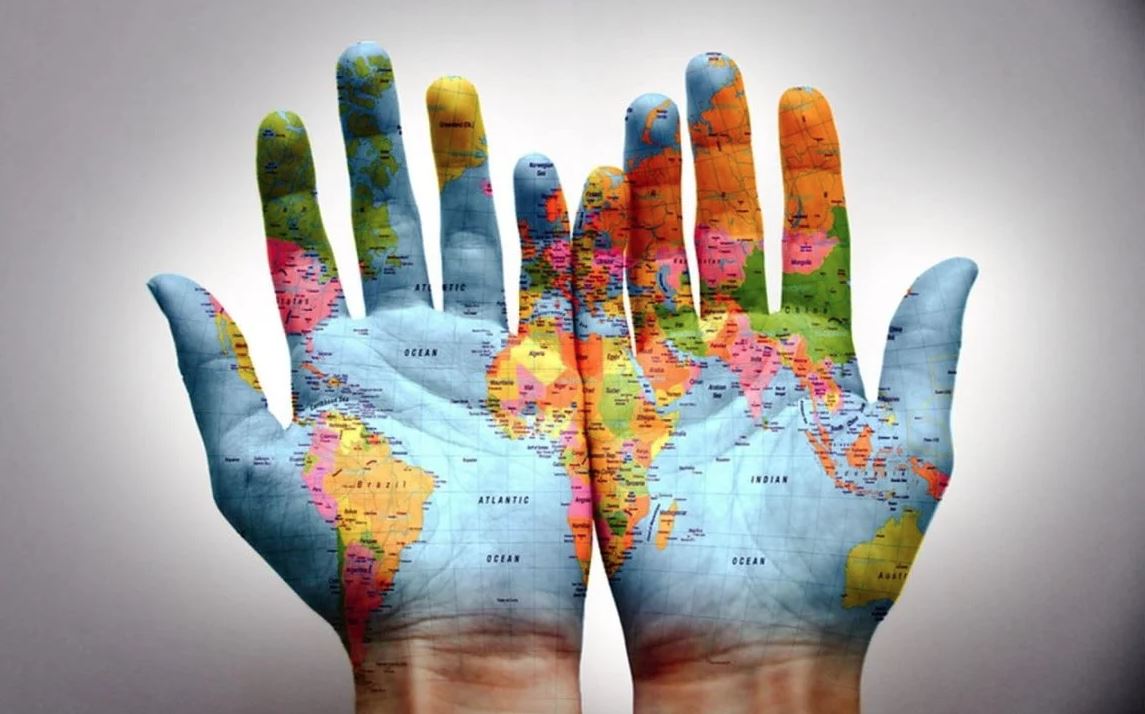
Maps printed on glossy paper make borders look fixed, yet on the ground lines slide with rain, trade, love, and war. People carry places inside them when they leave, and they plant pieces of those places in the streets where they arrive. Markets adapt to these tides. You hear two languages at a stall and you smell a festival from another shore beside local stew. Cultural identity survives by learning to travel without becoming thin. It keeps rules that guard kindness while it lets surface customs adjust to new weather and new neighbors. Home becomes a portable practice. It is the habit of saving seed from the sweetest tomato, the habit of greeting elders before bargaining, the habit of mending before buying. These practices can fit any climate, though they wear different jackets. A door curtain might become a porch plant, a floor cushion might become a picnic cloth, and a courtyard dance might move to a park. Diasporas prove this resilience. They protect a core of shared memory while they add words, spices, instruments, and jokes gathered along the route. Children in such families learn two forms of loyalty. They love the grandparents who taught them to honor old songs, and they love the classmates who taught them to read bus maps and to play new games. From this double lesson grows a wide patience that the century needs, a patience that treats difference as invitation rather than as bruise. Travelers keep small altars of habit, then offer them to new friends who teach better routes home.
Dress, sign, and the polite power of signals
Signals allow people to show care without speeches. Colors in dress, patterns in beadwork, and styles of hair can indicate mourning, celebration, role, or readiness to listen. These signs help strangers avoid hurt and help friends express pride. The aim is not sameness, it is legibility. When a code is widely known, people move together with less friction. A scarf can ask for patience. A pin can show authority to answer questions. A ribbon can thank those who serve. Local law appears here as well. Schools may set modest limits so daily life stays calm, while festivals may invite brilliant exaggeration so gratitude and relief have a stage. Debate belongs in this field, and communities refine symbols to avoid harm. If a pattern once used for a joke now stings a neighbor, patience asks for retirement or careful teaching. If a color once banned by rulers now marks freedom, celebration asks for parades and for banners that climb balconies. Craftspeople keep the archive. They know which stitch was worn at a wedding and which at a funeral, which dye was scarce and which was saved for the first child, which motif should cross a border and which should remain at home. By trusting their memory, a society prevents fashion from erasing meaning, while still letting young hands innovate. Dress then becomes a form of polite speech that crosses streets and classrooms, a grammar of cloth that says I see you and I am trying not to step on your foot. Shared codes change gently, since politeness grows when comfort and clarity walk beside style.
Language as shelter and as bridge
Speech is where identity settles into everyday life. A community sounds like itself in the way it greets at dawn, jokes after work, and consoles at dusk. Accent and proverb place a person in a landscape of memory, and shared words become a house where the shy can rest. Multilingual homes stretch this shelter across rooms. One language handles affection, another handles school, another handles prayer. None of them cancel the others. Each supplies tools that fit certain tasks. Code switching is not betrayal, it is craft. It lets speakers choose clarity without losing comfort. Public spaces can honor this reality with signs and services that meet people where they listen best. A clinic poster in several tongues prevents fear, and a court interpreter preserves fairness. Writers, teachers, and radio hosts serve as bridge builders. They carry stories from one shore of speech to another, trimming and guiding so that beauty arrives intact. Language also holds risk. Insults that target roots can bruise for years, and careless jokes can thin trust. Repair therefore needs words as well as deeds. Apology, explanation, and promise must travel together, and they must be spoken in the language that the harmed person uses for safety. When this care is common, language becomes both shelter and bridge. It protects difference without trapping it, and it carries friendship across the busy water of the day. Kindness scales slower than rumor.
Rituals of welcome and the grammar of respect
Communities that welcome well usually welcome slowly, because respect takes time to learn. Many places use small ceremonies to measure this learning. A newcomer carries water at a festival, then helps serve, then helps plan, then earns the right to invite others. These steps are not hoops meant to exclude. They are lessons about shared rhythm. The same care appears at funerals and births. Neighbors bring food, sit quietly, and speak modestly about the mystery that has unfolded. They do not judge customs that differ, they ask gentle questions and offer practical help. Workplaces and schools can copy this wisdom. Orientation should be more than a stack of rules. It should include a map of courtesy, a list of phrases that soothe, and a guide to who carries which keys. When conflicts arise, a good ritual of repair turns heat into light. People meet with witnesses, share the facts, name the harms, agree on steps, and mark the moment with a handshake, a letter, or a shared task. Over time such rituals build muscle memory for fairness. Children watch and learn that membership is not purchased by flattery, it is earned by steady help. Visitors learn that belonging is a verb, not a badge. Elders learn that teaching can continue without choking joy. Identity thickens in this patient air, because people see that the door is watched by kindness and that care is the only ticket that matters.
Stories that argue without breaking the table
Stories do more than entertain. They are the civil court where a people tests ideas without blood. A folktale that praises cleverness over brute force teaches a policy about how disputes should end. A saga that honors a stubborn ancestor while warning about pride teaches how to hold tradition without choking joy. When many groups share a city, stories become a table where difference can sit without fear. Libraries and kitchens host these trials. One night a poet reads about the river that splits the town and about the bridges that still carry children to school. Another night a grandmother tells how a garden was saved by neighbors who watered at dawn when the main pipes failed. Such tales carry data and ethics in the same basket. They show what worked and why, and they praise the patience that made it work. Even jokes serve the project. Laughter can let hard truths land softly, and satire can correct leaders without tearing the roof. Censorship, by contrast, weakens identity by hiding mirrors. If people cannot see their own errors, they will repeat them. Healthy culture defends the right to tell without mocking those who listen, and it trains listeners to seek repair after shock rather than to seek revenge. Theater, song circles, and street murals continue the debate in color and sound. Young artists add new rhythms to old griefs, and elders add memory to new hopes. When the exchange is constant, the community learns to change its mind without breaking its heart. Archives that record dissent protect love from forgetting its own courage.
Cities as mirrors that teach who we are
A city collects identities the way a reef collects life. Neighborhoods earn nicknames from their crafts, their trees, their music, and their food. Transport lines stitch these pockets together into a living quilt that changes with the season and with the hour. The main square teaches visitors what the place believes about dignity. Are benches shared. Are ramps present. Are prices fair. The schoolyard teaches locals how to listen across class and language. The clinic teaches whether help waits for wealth or whether help waits for need. Parks record the pulse. If they are lively at dusk with elders and toddlers together, the city is keeping promises. If they are empty after noon, fear is speaking too loudly. Markets form another set of mirrors. A stall that sells careful work for a fair wage reflects pride without greed, while a booth that sells knockoffs in a hurry reflects worry about tomorrow. Public art binds memory to stone. A statue does not need a sword to be strong. It can show a teacher at a blackboard, a midwife with a lantern, a mason on a scaffold, or a gardener holding a seedling in spring rain. When such images stand where taxes are paid, citizens remember that service is the strictest form of courage. Under these mirrors runs a quiet network of helpers who keep sidewalks smooth, drains clear, and lights honest. Their work shapes identity more than slogans ever will, because safety with courtesy is what most people mean when they say the word home. Street trees remember the patience of past neighbors.
What to carry forward when the road bends
Identity is not a single relic kept in a glass case. It is a muscle that grows strong when exercised with fairness and joy. The road ahead will keep bending as climate shifts, as tools change, and as families migrate for safety or for curiosity. The question is what to carry that will help many kinds of neighbors continue together. Carry the recipes that turn strangers into guests. Carry the songs that steady hands during repair. Carry the rules that protect weak voices in loud rooms. Carry the habit of asking before taking a photo, and the habit of paying the makers who keep our festivals bright. Make archives that breathe, with copies safe in several places and with doors open to those who were once kept outside. Teach in two directions, elders to youth and youth to elders, so neither knowledge nor wonder dries out. Vote for sidewalks, libraries, clinics, clean water, and clean air, because identity wilts when bodies suffer and blooms when bodies thrive. Set aside hours for long listening, not only in grief but also in ordinary weeks, since boredom is often a symptom of poor attention, not a sign that meaning is gone. Finally, promise to treat difference as invitation. Meet new customs with questions and with bread. Offer your own customs with humility and with humor. If we practice these small arts, culture will remain a common table where many hands bring dishes, many hands wash plates, and many songs send everyone home glad.