
Altars in the Dust and the Stories They Keep
Archaeologists read faith from stones, seeds, voices of the dead, and paths worn by hope
Traces of awe where no scriptures remain
Belief leaves modest signatures that outlast the tongues which once spoke them, and the first task is to learn how reverence behaves as matter. A hearth that never boiled grain yet holds layered ash of aromatic wood hints at offerings. A pit filled with broken cups near a spring suggests ritual retirement of vessels that had served a sacred task. Pebbles arranged in careful circles on bare rock look like play until pollen trapped in cracks reveals herbs linked to healing. Archaeologists begin with context. A single figurine is curiosity. A scatter of figurines placed at thresholds for many seasons becomes a pattern of protection. Excavation records positions as precisely as words, because inches matter when inferring intention. Charcoal is saved for species identification that can distinguish feast from fire of comfort. Bones are sorted for cut marks that separate butchery from ceremonial presentation. Even absence speaks. A temple square with no trash tells of rules that moved eating and sleeping far from a holy core. Wear polishes stone near niches where hands brushed while passing, a tactile archive of devotion. Stains on plaster that match the spread of oil lamps plot paths of procession. The aim is not to name a deity from a shard, but to assemble enough converging hints that an ethic of care becomes visible. Faith appears as rhythm more than event. It repeats. It accumulates small acts that weave memory into place. When those acts become legible, a site shifts from ruin to testimony, and the quiet between stones begins to sound like prayer.
Houses of many gods and the grammar of space
Sanctuaries speak through layout. A narrow entry that turns twice before the inner room slows bodies and clears gossip from lips. Courtyards invite crowds to watch sacrifice without crushing the officiants who manage flame and blade. Low benches along walls invite sitting that equals status, while raised platforms push attention toward a small set of hands. Orientation joins the script. An east facing door admits first light that paints an altar at certain days of the year, a cosmic appointment kept with stones. Sound and scent complete the grammar. A shallow basin where water never stagnates points to washing and renewal. Burn marks on ceiling vaults tell of smoke thick rituals, perhaps with resins that would coat lungs and lift moods. Some altars show channels that drain blood toward a garden where fruit likely grew better than in ordinary plots, a practical theology that returns gifts to soil. Portable shrines carved on a scale that suits a mule or a boat attest to travel and to networks of related sites. Pilgrimage roads broaden slowly as offerings grow the economy around a shrine. Shops show standardized figurines in clay that fit a clasped palm, tokens of vows made on the road and redeemed at home. When temples are buried by choice rather than by disaster, fill layers often include carefully broken statues placed in order, an act that retires a house of a god without insulting its last tenants. Reading these designs means reading rule books without pages. Space becomes syntax, thresholds become punctuation, and a community learns how to move as a sentence that thanks and asks in the same breath.
Food for gods and the arithmetic of sacrifice
Faith eats. Ovens near sanctuaries speak of feasts that followed offerings, and refuse heaps tell who ate what. If the best cuts cluster in elite compounds while humble quarters show only stews of bone and tendon, then ritual likely reinforced hierarchy. If the best cuts appear in many neighborhoods after holy days, then worship redistributed wealth and repaired envy. Isotope analysis sorts local animals from imports, and occasional herds from special flocks that fed only altars. Vessels matter. Shallow bowls suit quick libations. Deep jars suit long fermentations that might have been consumed by priests and poured for statues. Residues preserve chemistry of wine, honey, milk, and spices, and the mix can reveal calendar. A brew that requires a flower in brief bloom ties a ceremony to a week, and that week may match a constellation that rose before dawn. Cut mark patterns at butchery tables reveal skill and speed. Rapid work near a crowd points to public spectacle. Careful work in small rooms points to quiet rites that prized precision. Children and elders appear in feasting spaces when the ceremony bound generations, and absence of the very young can signal taboos that protected bodies thought too tender for thick smoke or for crowded press. Altars with drains shaped to spare scattering suggest concern for cleanliness and for sacred separation of blood and common soil. Grain pits refilled with ash after holy days speak of reciprocal gifts, god to field, field to god. In all of this, arithmetic supports empathy. When portions make sense, we approach how worshippers understood fairness, and fairness is often the beating heart of belief made public.
Images masks and the work of seeing the unseen
Iconography is a window and a mirror. Figures carved with generous hips and full bellies can emphasize fertility, yet their placement matters more than modern taste. In kitchens they may honor household continuance. In fields they may mark boundaries where offerings asked soil to forgive plow and heel. In graves they may console the living with images of plenty. Animals command many walls because they carried people through danger and through seasons. Serpents thread between worlds in many regions, and when they appear as raised relief along thresholds, they likely guard liminality rather than threaten peace. Masks found broken on floors of assembly rooms often died on purpose at the end of festival cycles. Wear and repair marks tell which pieces toured for years and which appeared only once. Paint traces on cheeks and eye rims invite experimental archaeology. When worn by a trained performer under torch light, certain pigments glow while others mute, and the effect can explain why a figure inspired fear or awe. Small eyes drilled through masks let actors see while giving spectators the impression of blindness or trance. Composite creatures carved on lintels suggest mythic instruction about balance between teeth and tenderness. Miniature altars with identical motifs turning up across far sites reveal itinerant carvers or pattern books carried in minds and measured on fingers. We do not worship these things, we ask them what work they did. They choreographed attention, condensed stories into manageable glance, and persuaded bodies to move together in gratitude or in caution. In that persuasion belief finds durable skin.
Burial theaters and the politics of the afterlife
Graves are stages where communities rehearse values before audiences of mourners and imagined watchers from beyond. A simple pit with careful orientation and a few tools can speak of quiet confidence that the dead travel light. A tomb crowded with food, animals, and servants speaks of hierarchy that insisted the dead continue to command. Differences by age and gender show training in hope. Infants wrapped with charms suggest parents who believed protection extended into sleep that lasted. Elders given walking sticks and cups for warm drinks suggest a tender vision of a journey that needs comfort more than guards. Markers above ground matter. Stone mounds that require annual maintenance create calendars of memory. Offerings placed on specific days show that time and the soul share a schedule. Cremation areas with separate zones for bone collection and for ash scattering reveal choices about whether the person persists as named ancestor or returns to land as diffuse blessing. Skeletal analysis contributes to ethics. Signs of healed injury paired with rich burial treatment can show respect for endurance. Signs of violent trauma tied to hurried graves can indict tumult that rites tried to soothe. Tokens with stamped names or symbols on coins placed near mouths or palms tie local belief to broader regions through shared metaphors of passage. In every case, mourners communicate with the living as much as with the dead. They declare status, negotiate inheritance, forgive conflicts, and vow reform. Archaeology reads those declarations without prying into faith as gossip. It treats grief as pedagogy and grave goods as grammar of love under the hardest light.
Calendars in stone and the choreography of light
Some landscapes are instruments that play when sun and stars strike true. Corridors set to greet first light at mid winter gather neighbors into warmth when food runs thin, a steadying promise that the cycle bends toward return. Plazas sized to echo a chant after the first rains teach that community and weather should meet with thanks before work resumes. Standing markers aligned to lunar extremes help time tides and plantings in coastal valleys. Roof openings that cast a spot of gold on a carved mark at noon reveal precision that rests on long patient watch, not on magic. Yet care is needed. Not every alignment is intention. Archaeologists ask whether a proposed sightline repeats across many sites and whether associated artifacts confirm ritual use. Soot on wall at the place where the beam lands, foot traffic concentrated near the mark, benches worn smooth from waiting, all confirm that people gathered with purpose. Acoustics join the story. Clap echoes that multiply near stair edges can transform a hand to a flock, while whispers carried from a niche to the far side of a hall can shape oracles without trick. Water works as well. Channels that bring spring water past a shrine in the driest month turn worship into irrigation plan. Reflection pools that still wind allow stargazing without craning the neck. Stone becomes calendar not to confine people to clock, but to braid labor to hope. When the beam arrives yet again at the precise moment, a city breathes a little easier, and that breath sustains fair trade and fair rule as much as sacred mood.
Change, contact, and the life of blended traditions
Beliefs travel. Traders and captives, pilgrims and mercenaries, all carry habits of reverence along with goods and skill. Where faiths meet, objects reveal careful negotiation. Altars that accept both incense and poured milk show hospitality across styles. God names that share attributes on bilingual plaques point to theological translation done by market and marriage. Shrines that add new wings rather than raze old foundations speak of compromise that saves face for elders while welcoming novelty loved by youth. Syncretism can be creative rather than merely tolerant. A community may borrow a festival of lights during a dark month and pair it with local poetry that consoles farmers after flood. It can also hide pressure. Sometimes blending masks coercion that forced new rites into old houses. Archaeology checks for damage, abandonment, and sudden shifts in diet or dress that might signal trauma under the fresh paint. Iconoclasm leaves its own syntax. Heads severed from statues but bodies left in place show anger at persons of clay rather than at stones of home. Faces chiseled gently to erase only eyes show concern about gaze more than form. Later repairs that re carve features with new style tell of reconciliation or of takeover dressed as mercy. None of these traces label a people as pure or impure. They chart choices under weather of power and desire. In their company we practice humility. We learn that belief is a river with many inlets and that its course can widen without losing current. The task is to map the bends without pretending the water ever sat still.
Stewardship, consent, and the quiet future of sacred places
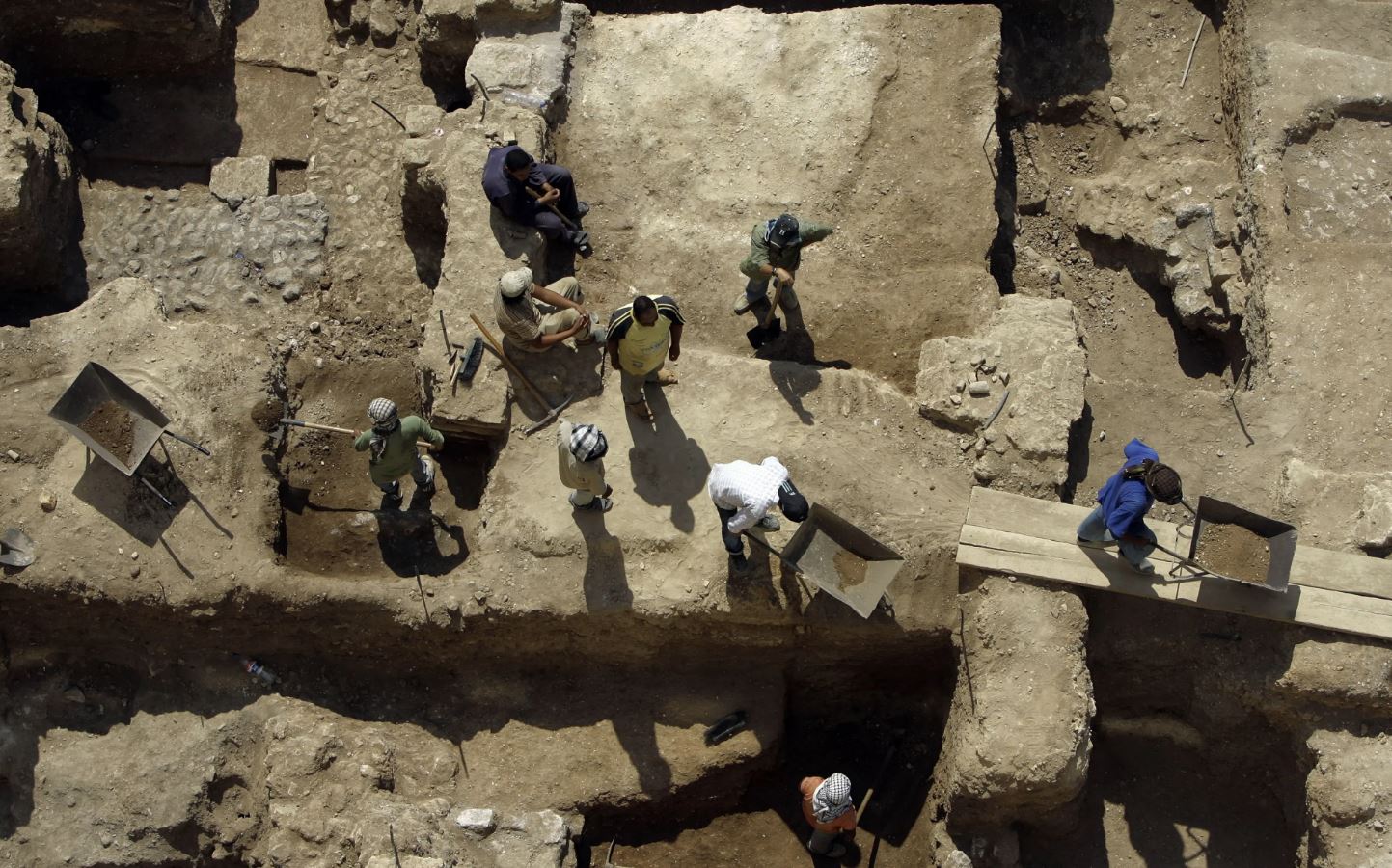
Digging where ancestors prayed requires gentleness that is as much moral as technical. Good work begins with conversations that welcome descendant voices before permits and plans, because knowledge about songs and taboos lives where archives cannot reach. Sampling strategies shrink when ground holds active ritual life. Photogrammetry replaces removal where pages of stone can be read in light. When excavation is justified, teams document with enough detail that reburial can follow without loss of science. Offerings are recorded as relationships rather than as loot, with positions preserved in drawings that help future students understand sequence and care. Museums change from cabinets of orphaned marvels into partners who host language classes beside displays, and who invite community curators to choose labels and lighting. Tourism learns to schedule silence days when paths rest and caretakers can practice rites without audience. Publishing practices slow to include translations and joint authorship so that knowledge does not leave home without a share of the dignity it describes. The archaeology of belief will grow best where patience pays better than speed. Stones will still be there next season. Springs will still speak when microphones are off. The aim is not to drain mystery, but to protect the conditions under which meaning thrives. If we listen well, sites will continue to teach resilience, generosity, and proportion. They will remind us that offerings make sense when they repair relationships, that calendars make sense when they align labor with mercy, and that the holiest rooms are the ones that help neighbors leave kinder than they arrived today.