

Furnaces of First Light
Early smiths turned stone and fire into tools, trades, and new ways of living
Native copper, green stones, and the first clues
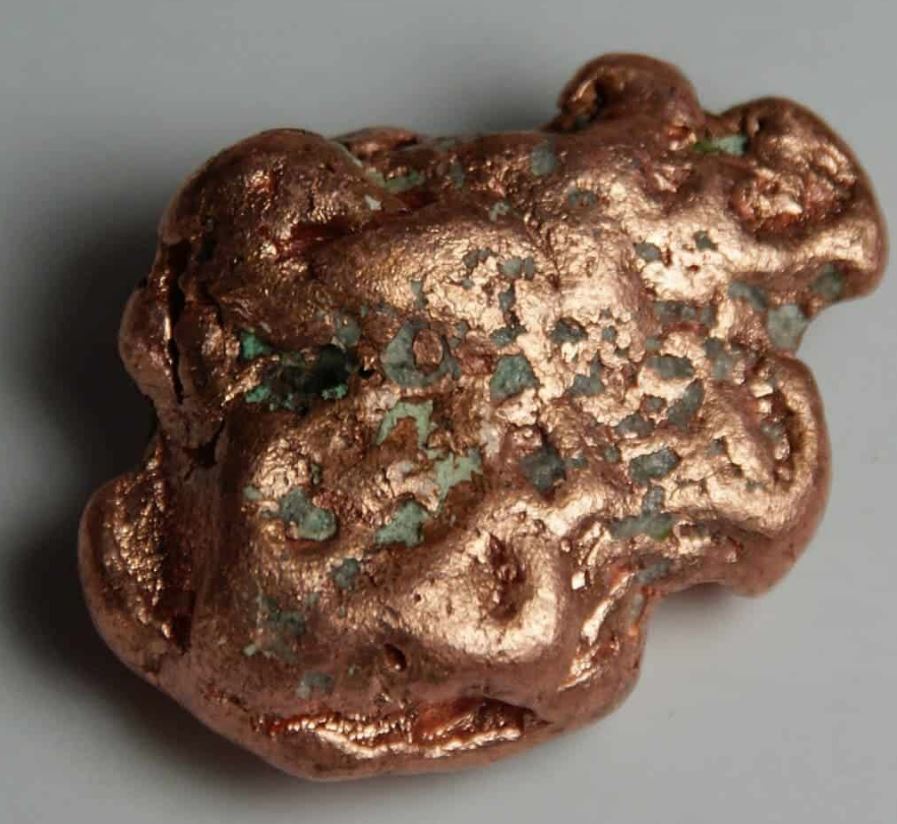
People noticed metal before they understood it, because river gravel hides small flashes that resist the dulling that time gives ordinary stone. Native copper accepts a shine after sand smooths it, and it takes a simple edge that slices leather better than bone or shell. Children often find these clues first because they are patient scavengers with bright eyes. They pocket a red pebble that smears the hand, they tap a lump that sounds different from granite, they carry small wonders home. A hearth can finish the lesson by accident when a copper rich pebble warms beside the fire and softens just enough to bruise under a hammer stone. Curiosity wakes. Green stones from cliff seams turn fingers green when rubbed, and smoke from brush fires near such seams stings with a bitter note that people remember. From those hints come experiments. Hammer native copper cold, it hardens and cracks. Heat it and let it rest, it softens again. That trick alone changes daily work. A cooper can rivet hoops without splitting them. A fisher can add metal points to barbs that once were bone. Ornament follows utility as it often does. A bright ring carries status and carries news that a family knows a place where copper nodules can be coaxed from weathered rock. The first chapter of metallurgy reads like play, a sequence of surprises that become habits. Each habit teaches cause and measure. How hot is enough. How long should the glow last before the blow. How thick should the hammer pad be to spare the wrist. Soon the red pebble is no longer a trinket, it is a small teacher of sequences that memory keeps.
From hearth to furnace, the choreography of heat
Fire is a teacher that rewards rhythm and punishes hurry. A cooking hearth can melt the edge of a lead rich pebble, yet copper asks for more air and more focus. To raise heat enough for copper, people shape pits, ring them with stone, and lift walls that catch wind. Charcoal becomes the favorite fuel because it burns hotter than raw wood and leaves space where air can rush through. Bellows appear as steady lungs for the flame. Some are made from skin that opens and closes with a quick arm. Some are reed baskets lined with clay that push wind through a clay nozzle. Ore is roasted in a shallow fire to drive off damp and to crack it into pieces that crush easily under hammer stones. The crushed ore mixes with charcoal in layers. A narrow shaft of clay or stone contains the load. Holes allow bellows to feed the glow. The sound changes when heat deepens. Roaring replaces crackle. The smell changes when metal begins to separate from rock. When things go well, a bloom collects at the base, a spongy mass of metal kissed by slag. The bloom is lifted with tongs of wood or forked sticks, then hammered while still red to squeeze out glassy waste. Each step has music. Bellows hiss, charcoal whispers, slag sings when it breaks. The crew learns to read color because color speaks truth. Dull red means wait. Cherry red means strike. Yellow means danger for clay and for skin. What begins as a hearth grows into a small theater where timing, breath, and trust turn rock into a tool that can survive a season of hard work.
Crucibles, molds, and the invention of repeatable shape
Once a furnace gives liquid metal, shape becomes a choice rather than a guess. Early smiths pour into hollows scraped in sand or cut into soft stone, yet these beds wear out quickly and give rough edges that a maker must file away. Clay crucibles and clay molds offer a steadier path. Clay mixed with ground shell or chopped straw survives heat and shrink without cracking. A crucible that narrows at the lip pours cleanly and sheds dross that floats on top. Two part molds allow detail on both faces and leave a fine line that can be filed after cooling. Cores of baked clay create hollow forms for axes that must be light enough for long arms and quick hands. Makers learn to smoke a mold before the pour so steam does not spit. They learn to cut vents for trapped air. They learn to weigh metal before they melt it so a pour completes without a stumble. Repeatable shape is more than vanity. It is contract. A trader who walks three days for a set of chisels expects the next pair to match the first pair. A builder who orders nails of one size wishes to see the same size next season. Mold libraries appear on workshop shelves, marked with small signs that tell which ore mix and which pour speed gave the best fill. The shop becomes a memory palace made of fired earth. Decisions can be checked, improved, and taught. A tool gains lineage. An adze from this shop looks like its parents, works like its parents, and lives longer than its parents because the mold was trimmed one grain finer this spring.
Alloy as idea, when copper met tin and learned strength
Pure copper bends with grace, yet it also dulls with use. Experiments follow the path of need. People add bits of arsenic when an ore carries it, the result is harder and brighter, but fumes demand caution that wise shops respect with open roofs and fast exits. Then tin enters the story. Tin does not always live near copper, so its presence in distant furnaces proves that caravans crossed valleys and straits. When copper meets tin in the right share, the melt runs more freely, fills molds with fewer voids, and cools into a metal that keeps an edge. A smith can now grind a blade and trust it to hold a shape between sharpenings. Alloy is a mental tool as much as a metal one. It teaches that properties are not fate. Change the share, change the outcome. Add a pinch of lead for easy flow into small molds, add a touch of arsenic for a sharper ring, add more tin for a bell that will sing in the square at dusk. Makers begin to keep recipes, sometimes in the head of a master, sometimes in incised marks that a shop reads like a quiet prayer before kindling the fire. With alloy, error becomes teacher. A blade that chips at the tip may carry too much tin for hard work. A socket that splits in frost may hold bubbles from a pour with timid heat. Shops talk across towns. They compare colors in light, they trade small cakes to test, they send apprentices to marry into families that know a better ore hill. The idea of alloy spreads beyond metal. People begin to see mixtures as instruments, not as accidents, and that insight lifts many crafts at once.
Miners, carriers, and the long roads of metal
Before sparks fly in a courtyard, ore must move, and that labor writes another chapter of skill. Miners read hills the way sailors read sky. They follow veins with picks of stone at first, then with chisels that their own metal enabled. Fire setting loosens stubborn faces. A stack of wood burned against rock heats it, then water thrown on the glow shocks it into cracks that accept wedges. Shafts ask for courage and for airflow. Windsails at the mouth guide breezes down to lungs that would otherwise fail. Lamps of fat or resin paint the walls with a thin light that tells the truth about moisture and gas. Outside the pit, carriers shift the burden from hill to harbor. Pack animals travel trails that respect grade and water. Sleds grind down slopes in winter on paths groomed with brush. Rafts ride rivers when spring is kind. Along the route stand way stations that sell fodder and simple food, mend shoes, and keep scales. Each station becomes a classroom where rumors are filtered and where prices settle into something like fairness. The road also carries news about security. A broken bridge can starve a furnace. A quarrel between valley chiefs can stop tin before it reaches a coast. Communities learn to protect the path because metal work feeds baskets beyond the shop. A good season of ore makes nails for boats, knives for kitchens, adzes for carpenters, and bells for herders. The road of metal is also a road of bread. When a caravan returns safe, a town thanks both the saints and the surveyors, then repairs the culverts before the next rain.
Workshops, guild hints, and the politics of fire
Workshops collect secrets but they also radiate order. The plan of a good yard becomes a map of priorities. Fuel sits dry and under cover. Ore waits near the crush stones. Water stands in sealed jars far from sparks. Tools hang where hands find them without a shout. A bell marks shifts so lungs rest and tempers hold. Apprentices sweep and fetch before they meet the fire, because cleanliness keeps metal honest and keeps the floor clear for fast feet when danger arrives. Makers stamp pieces not only for pride but for recall, since a mark tells the buyer whom to praise or blame and tells a future mender where to look for a replacement. Prices drift with season, yet shops publish a simple list so quarrels end quickly. That small transparency hints at guild life before the word hardens into charter. A circle of masters meets at market to share ore news, to judge fraud, and to care for hands burned in rush or in foolishness. City rulers learn to court these fires with care. A levy on charcoal can starve tools for harvest. A wise council taxes luxury castings before it taxes ploughshares. They also watch for smoke that bites lungs in alleys where children play. Shops answer with chimneys and with hours that spare the town at dusk. Law and craft learn to live as neighbors. When peace holds, a forge becomes a civic heartbeat that measures time in pours and in shipments. When panic comes, a forge becomes a civil defense in quiet ways, because hinges, nails, and bars protect far more lives than blades ever will.
Ritual, myth, and the shine that persuaded crowds
Metal glitters, and the eye follows glitter long before the mind decides. A helmet that shines under torchlight offers courage even before a blow lands. A mirror that holds a face like a small pond invites questions about soul and fate. Bells call crowds to worship and to market, and the alloy that carries a clear tone becomes a public treasure. Offerings of copper or bronze appear at springs, bridges, and graves, weighted to sink where they will not tempt thieves. Masks plated thin with bright leaf transform a person into a messenger for a god, and the audience breathes as one when the mouth opens. Myths gather around kilns because creation looks like the work of spirits. Ore bleeds, slag flows like cooled night, a blade hardens with a hiss when it meets water, and the room goes silent in that instant. Priests bless new furnaces before first fire. Mothers bring cakes when a shop repairs a tool that feeds a family. Travelers carry small cast tokens tied to shrines so the road feels watched. Yet ritual is not only spectacle. It also sets limits. Fire is hungry and must not be allowed near thatch. Fumes are real and smiths must work where air is generous. Offerings of food for crews at night watches prevent the shortcuts that injury invites. The shine persuades crowds to respect rules. The story persuades rulers to pay for clean fuel and for safe roofs. In that way belief and metal support each other without confusion. One keeps courage lit. The other keeps hinges swinging and wells covered. Both keep cities gentle when storms strike.
What the slag heap still says
Slag looks like trash until someone reads it. The glassy lumps hold bubbles that measure wind and temperature. Streaks of unmelted ore confess a hurried day or damp fuel. Beads of trapped metal reveal where a furnace leaked its reward back into waste. When slag layers stack year after year, they chart output like rings in wood. They also record policy. A thick band of cleaner waste may follow a decree that changed charcoal markets or a treaty that reopened a tin road. Buried tools with broken peens near a slag hill whisper that a crew tried to squeeze one more season from tired hammers. Even the ground around a heap stores memory. Weeds that like copper will crowd the foot of the pile, while others avoid it and leave a pale belt that a walker can see from far away. A careful dig at the base can find a lost mold half buried when a storm cut a gully through the yard. A careful ear can hear clink and dull thud as shovel meets glass or ash. From these quiet pages we learn how patient early makers were. They tuned air and fire, they argued about shares, they taught apprentices to listen to color and to sound, they carried ore across ridges, and they kept time with a bell by the door. The slag heap says that progress is practice, not miracle. It says that the first age of metal was also an age of care. If we remember that lesson, our own fires can serve food, shelter, water, music, and grace, and not only speed, heat, noise, and display.