
Sky Rivers and the Turning of the World
Reading how early peoples stitched stars, seasons, and stories into a living map of place and purpose
Paths through the night
In every direction the night opened like an endless field, yet early observers did not see emptiness, they saw pathways. Shore people traced bright arcs across water as if the sky were a harbor, and desert travelers read constellations as wells placed along a dark road. Ancient cosmology began as practical attention to timing, for seed needed soil only when certain stars rose before dawn, and sail needed courage when a known beacon would stand above the mast at midnight. Patterns became companions. A shepherd learned the slow wheel around the pole and could return flocks in fog by trusting where the unblinking cluster would appear. Fisher families timed nets to lunar pull, then taught children to count nights by the swelling of the tide in their ankles. From such habits a map emerged that did not require paper, only memory rehearsed with song. A verse might place the seven bright ones near the shoulder of a bull and instruct that the planting basket should open when that shoulder rises just before sunrise. Another line might warn that when two wandering lights approach, winds will turn for a week. Nothing in this early practice demanded agreement about distant causes. It demanded careful witness and a willingness to share what was learned without envy. Villages held star nights after harvest when elders drew patterns with ash on packed earth, correcting and praising until the design felt both beautiful and true. Cosmos in this sense meant order that could be relied upon, not a doctrine but a choreography of light and labor, a promise that attention gives safety and that gratitude keeps attention sharp. Travelers held course by the soft smudge that arced from horizon to horizon.
Beginnings as ethics
Creation accounts scattered across continents offer different shapes of beginning, yet they share a conviction that order only survives when forces cooperate. Some tell of a primeval sea from which a hill rises, a small mound drying in dawn light that becomes the first altar. Others remember a world built from the body of a giant, with rivers as veins and mountains as ribs, so that land becomes kin rather than commodity. Still others describe a cosmic egg that splits to reveal light and space as a pair of siblings who must learn to share. These images are not rival physics, they are ethical diagrams. A sea that yields land teaches patience toward emergence. A world made from a body teaches kinship with soil and stone. An egg that divides into two teaches balance between complementary powers. Rituals mirrored these teachings. Communities poured libations to soothe the sea within the earth. They treated prominent hills as elders who deserved offerings before quarrying. They divided tasks into paired teams so that no craft forgot its counterweight. Even conflict took cosmological form. If a storm shattered fields, singers framed the recovery as reconciliation between wind and root, which let grief move toward effort. By narrating origin as relationship, ancient thinkers made maintenance a virtue. To keep the world was to re enact creation in small acts of fairness, restraint, and shared celebration. Even counting systems borrowed the lesson. Pairs of tokens sealed in clay envelopes taught merchants to maintain balance, and the very word for justice in several tongues echoed the idea of two pans kept level by steady hands that refuse haste or boast.
Stones that gathered light
Temples, cairns, and stone circles did more than please the eye, they organized attention. Builders placed corridors to catch the first light on solstice mornings, or cut windows that framed a bright planet at a specific season. Such alignments were not accidents, nor were they easy. They required many cold dawns with reed markers and careful pacing, then years of adjustment as masons learned how light behaves when stone breathes heat by day and shivers at night. The labor paid dividends in social coherence. When a beam of sunrise walked along a wall to kiss an altar at the same week each year, strangers could become neighbors by agreeing to the moment. Festivals took their cue from that choreography, so that trade fairs and courtship markets rode the same tide of light. Inside, architects carved ceilings to resemble star fields, not to escape the world but to invite it in, so prayer and observation could become one practice. Even small shrines used cosmology as architecture. A niche set to the north reminded visitors of the wheel around the steady star. A pool mirrored the sky so that offerings returned the reflection of the giver, teaching humility without lecture. In these spaces knowledge became habit. Children who chased the moving spot of noon learned geometry in their knees, and farmers who rested in the shadow of a gnomon learned the tempo of seasons without opening a tablet. Villagers swore quietly to keep clean the approach to such places, not from fear alone but from respect for shared focus. A tidy avenue became part of the instrument, since dust in the beam could trick the eye and lead a season astray.
Planets tables and confidence
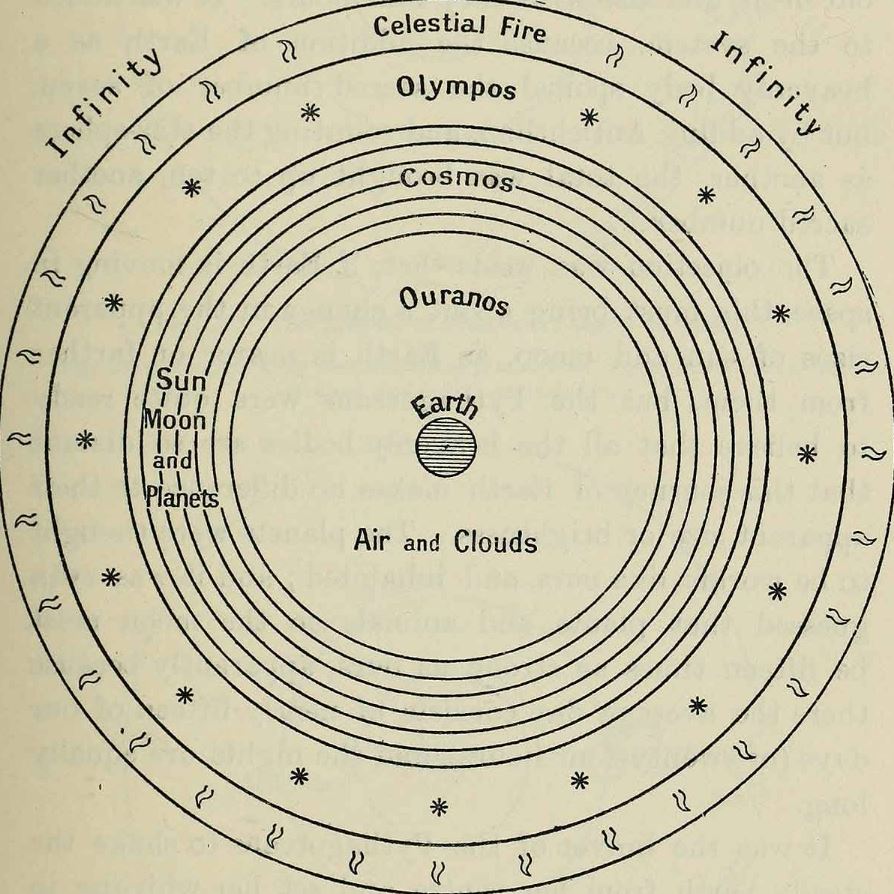
Wandering lights puzzled observers who knew the fixity of the great background. Planets strayed, sometimes reversed for weeks, then resumed their march. Rather than sow confusion, this irregularity invited theory. Some imagined crystal spheres that wheeled in nested order, while others pictured deities steering bright boats along invisible canals. Meticulous watchers kept tallies of rising times and brightness so that predictions improved. Out of such lists grew tables that let sailors and royal messengers plan. Eclipses, once terrifying, became teachable. By noting the dragon that eats the sun as a pattern in time rather than a creature in space, scholars calmed the crowd and timed the return of light with credible confidence. Theories changed with contact. Travelers compared diagrams and borrowed what worked, then folded it into local practice. In some courts models became intricate, with gears that carried small suns and moons in brass circles to rehearse the year on a worktable. The purpose remained practical. Prediction served fairness in taxation and safety in travel. When the calendar matched the sky, merchants trusted weights, pilgrims trusted roads, and rulers learned restraint from the discipline of the heavens. Stories kept pace with charts. When a planet halted and turned, elders announced a time for revision, a season when stubborn plans should be checked. The sky thereby trained humility that saved caravans from folly and saved courts from punishment delivered in anger.
Calendars that shaped peace
Calendars were the thread that stitched household work into regional rhythm. Some communities counted moons and inserted a prudent pause after a set number so that planting would not drift into frost. Others fixed the year to the sun with intercalary rules that demanded disciplined record keeping. Festival days crystalized obligations. Debts came due when a certain star rose before dawn, marriages were blessed when shadows fell to a particular length at noon, and oaths were sworn when a constellation stood over the gate. Timekeeping also protected the weak. Sabbatical customs rested fields and bodies, so that soil could breathe and servants could remember their dignity. Market weeks rotated across towns to spread prosperity, and amnesty days allowed fugitives to stand in a sanctuary to petition without fear. Even quarrels obeyed clocks. Negotiations paused on unlucky days, and trials resumed when omens favored clarity rather than rage. Such practices were less about superstition than about designing peace. A shared calendar gives strangers a schedule for trust, and in that schedule villages rediscovered themselves as a region rather than a scatter of isolated fears. Households stitched personal diaries to public counts. A notch on a loom weighted the memory of a promise. A painted mark on a doorway welcomed the first fruits to pass beyond it. Time lived in tools, so honesty could be read where people worked each day.
Stories that measured conduct
The cosmos arrived in stories as well as schedules, and both forms strengthened the other. Myths gave faces to forces so that listeners could speak to them with respect. The north wind became a stern aunt who demanded clean hearths. The new moon became a shy child who needed quiet to find courage. The Milky Way became a road for souls, which shaped funeral processions that mirrored its arc across the sky. Story made the abstract intimate, yet the intimacy did not preclude precision. Tale tellers corrected each other gently when a star rose too early in a legend, just as astronomers revised a chant when a better measurement arrived. Cosmic law and moral law traveled together. If the year returned with fairness, then rulers should imitate that return by forgiving portion of tax. If the moon renewed herself without envy, then households should let quarrels cool before they hardened into feuds. Children learned ethics while memorizing star names, and prayer felt like gratitude offered to a well made clock that invited human hands to keep time with grace. Theater deepened this union of measures and meaning. Masked players reenacted the marriage of rain and field on the plaza the week that thunder first rolled, and the audience left with a schedule in the heart rather than on a tablet tucked in a sleeve.
Skies in translation
Travelers carried skies with them, then blended local heavens into wider atlases. A sailor from one coast visited another and learned a different name for the same bright guide, then returned home with two names and a better route. Merchants compared eclipse omens beside spice stalls and realized that fear fades when dates match across languages. Diplomats exchanged star calendars as gifts, a subtle peace offering that promised shared feasts in future seasons. Translation produced synthesis. Scholars set tables where columns held rising times from many valleys, and from those comparisons a common science emerged that was humble before the sky and generous toward the stranger. Libraries gathered observations from shepherds and sailors with equal courtesy, and schools trained a new habit of mind that loved correction more than pride. At sea, small instruments democratized skill. Anyone with a staff and a few angles could find latitude, and with latitude came confidence that voyage was not madness. Cosmology moved from temple to deck and from deck to kitchen, where calendars hung on pegs beside tools. In that shift, the universe became a neighbor rather than a rumor, and people understood that to know the heavens was to know how to keep promises on earth. Caravans became schools that moved. Around night fires crews traded mnemonics for southern stars and tricks for reading hazy horizons, and friendships formed that could negotiate peace before border stones were reached. The art of sky reading matured into the art of neighborly travel.
Lessons from the oldest clock
Ancient cosmology was not a museum of quaint errors, it was a toolkit for living within limits. People used stars to spare seed, used seasons to steady tempers, and used story to align ambition with patience. They learned that power without cycle becomes hunger without end, that memory without measurement becomes rumor, and that measurement without meaning becomes a brittle pride. The old observatories still teach with stone and shadow. Stand at a threshold that collects the first light after a long night, and notice how relief arrives by degrees, not by decree. Kneel beside a basin that mirrors a slow cloud, and notice how reflection changes when the surface is shaken. Carry those lessons into cities with glowing roofs, and the same principles apply. Give communities predictable returns, and resentment cools. Let celebration and rest alternate, and endurance grows. Tie policy to patient observation, and error becomes teacher rather than shame. The cosmos is still our nearest commonwealth. It invites attention, rewards humility, and speaks in cycles that our bodies already know. To live well under that sky is to remember that belonging is a rhythm, not a possession, and that every rising and setting asks for gratitude, repair, and another careful look tomorrow. Today.