

Banquets of Memory and the Work of the Hearth
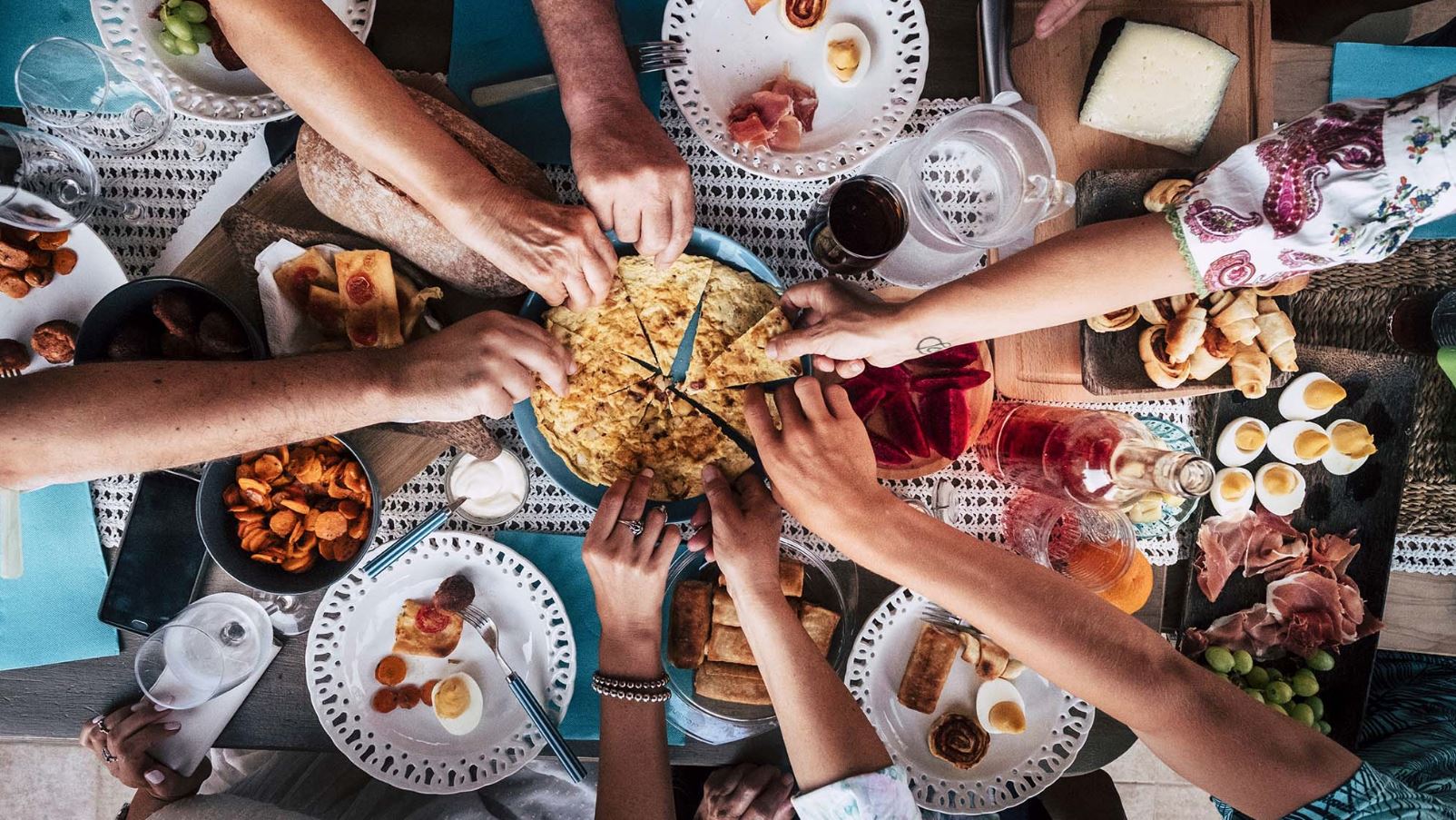
Why meals reveal kinship, power, movement, and meaning across the long story of humanity
Fire as teacher and the first kitchens without walls
Archaeology meets appetite at the ring of stones where embers glow and faces lean close. Early cooks learned that flame is a strict instructor that rewards patience and punishes hurry. Meat tough from the chase surrendered to slow heat, roots released sweetness after ash roasting, and grains swelled into soft comfort when stirred with water in hide lined pits. The camp became a classroom where elders showed how to tend coals with a stick, how to judge doneness by scent, and how to share without quarrels that weaken courage. Fire multiplied time. Perishables could be dried, smoked, or sealed in fat so journeys grew longer and villages grew steadier. Ash turned bitter greens mild. Bone marrow fed children during late snow. These techniques built memory into flavor so that each bite carried news about season and place. Cooking also shifted talk. Tasks clustered around light, and stories braided caution with joy while sparks rose. The first kitchen had no walls, yet it had rules. Keep tinder dry, keep water near, keep dogs from stealing, keep peace while the pot works. Anthropology begins here because the hearth is a tool that organizes attention. It brings bodies into a circle where the needs of one become the needs of all, and where gratitude becomes a habit that outlives the flame. Clay balls heated in the blaze turned water hot without cracking fragile skins, which widened the menu and softened stubborn seeds. Even ash served, since ash lifted bitterness from wild tubers and made them friendly to small mouths.
Domestication as covenant not conquest
Domestication is often described as control of nature, yet the anthropology of food tells a different story, a partnership sustained through seasonal promises. People offered shelter, salt, and watchfulness, and herds offered milk, meat, traction, and manure that enriched gardens. Farmers selected grains that did not shatter at harvest, and the grains rewarded steady hands with storable abundance that bridged cold months. Fields learned rotation, fallow, and mixed planting, and families learned calendars that tuned labor to rain and heat. Seed kept from the best plant became a letter mailed to next year. Goats that thrived on steep ground became guides to marginal hills. Bees that tolerated smoke became partners in sweetness and pollination. These bargains relied on observation more than dominance. Pasture rested when it looked tired. Fruit trees were pruned in ways that pleased both the tree and the table. Children learned by tending the quiet, a habit as valuable as skill with a blade. Domestication also transformed movement. Mobile camps acquired seasonal homes, and villages acquired seasonal roads. Grain ledgers carved on clay recorded not only taxes but trust. A barn full of barley was a promise of weddings, journeys, and the confidence to raise a larger child. Gardens became ledgers of promise where beans climbed maize for windbreak and squash covered soil to guard moisture, a trio that fed bodies and stories together. Herders learned to read weather by the taste of grass, and that taste became counsel in council houses.
Streets, stalls, and the choreography of markets
Urban foodways turned lanes into arteries and squares into beating hearts. Morning shouted with hawkers who praised peaches without blocking carts, and who remembered which widow needed a kind price. Midday simmered as vendors ladled stews that made labor bearable. Evening softened as grills hissed near fountains where gossip cooled. Market design followed appetite with practical grace. Shade cloth stretched over fish tables. Drainage kept greens lively. Short detours led to wells so brine and spice could be balanced on the spot. Cooks bargained with jokes, weighed with honest stones, and signaled quality by placing the best cuts at the edge of the stall. Guilds regulated hygiene and measured loaf size with communal molds. City planners carved alleys for smoke and ash and placed bakeries near bathhouses so heat served both bread and water. Feeding strangers became an ethic. Soup kitchens appeared beside shrines on festival days, and travelers learned to read a street by its smells, listening with the nose for broth, sugar, ferment, and fire. An anthropology of markets reads stall layout as choreography and reads price as a story about weather, distance, and trust. The smellscape of a capital acted like a guidebook you could breathe, and a careful walker could tell the day of the week by yeast on the air and by the timing of roasted seeds near the gate.
Taboo, taste, and the making of boundaries
Food rules define circles of belonging as surely as walls, and they do their work with quiet power. Some groups avoid certain animals to honor ancestral vows. Others avoid mixtures to maintain ritual clarity. Still others regulate when and where to eat so that appetite learns modesty. These customs can protect health, conserve resources, or display piety, yet their deeper force lies in shared practice. A child who declines a forbidden bite performs history upon the tongue. A guest who accepts a permitted dish receives welcome into a story that the family keeps. Even the sequence of service can mark status and duty. Elders taste first to bless the table, hosts taste last to prove fairness, and guests leave a small bite to honor the labor that went into the meal. Anthropologists map these rules to landscapes and to labor cycles. A river people may avoid fish during spawning to protect the next season. A mountain people may fast during thaw to keep paths safe for herds. Taboo often speaks the grammar of ecology using the vocabulary of reverence. Holiday exceptions reveal nuance as well, since rules bend with mercy when travelers arrive tired or when illness requires broth that breaks a code. Such moments prove that the heart of taboo is care, not pride.
Feast as ledger and famine as teacher
Festivals measure time with abundance, and their menus function as public accounts. A village that roasts a whole animal announces prosperity and invites negotiation for marriage and trade. A guild that serves a complex pastry signals skill and hints at dues that support apprentices. Plates reveal priorities. When the first servings reach elders and the last reach children with extra sweets, the community shows the order it cherishes and the hope it holds for tomorrow. Famine reverses the lesson and sharpens humility. Scarcity demands invention, thrift, and solidarity. People grind acorns into edible meal, boil bones for long hours, and invent soups that hide hunger under warmth. Rituals arise to spread the pain. Communal pots replace private stews, and fast days teach empathy for neighbors whose stores ran thin. After crisis, recipes remember. A lean dish that once saved lives returns each year as a memorial and as a rehearsal for care. Feast and famine therefore write two chapters of the same book, a manual for kindness disguised as celebration and simplicity. Charity breads marked doors with a sign that told the poor where kindness lived, and traveling ovens visited hamlets during harvest so debt could be settled in loaves rather than coin. Even in grief, a wake fed the living so memory could keep working.
Migration, empire, and the invention of new flavor worlds
Spices taught oceans to yield routes, and empires grew kitchens as deliberately as they built roads. Ports welcomed peppers, citrus, nuts, sugars, and new greens that changed stews, breads, and drinks in distant capitals. Conquerors imposed taxes and sometimes rations, yet subjects replied with quiet revolutions at the stove. Techniques fused. A sauce from one shore married herbs from another and thickened with seeds from a third. Street vendors became ambassadors whose pans argued for tolerance more persuasively than speeches. Migrant cooks carried taste memories like portable homelands, and those memories softened exile and widened cities. Empires also standardized logistics. Granaries lined rivers. Caravansaries fed trafficked ideas along with traders. Postal routes moved recipes copied on scraps that survived longer than laws. In this web, fusion is not fashion, it is evidence of neighbors learning to share palate and labor. The plate becomes a map where cinnamon draws lines across seas and where pepper dots borderlands with friendly heat. Diasporas kept seeds in pockets and recipes in songs, and ports learned lullabies in new languages after supper. At borders, inspectors sniffed spices and found they were also smelling friendship. Truly.
Kitchen science, microbes, and the quiet architects of flavor
Fermentation and fire share a talent for transformation, and the smallest partners do the largest share of the work. Yogurt thickens milk into tang that travels better than fresh. Bread traps breath in gluten nets and rises into food that shares easily and stores well. Cocoa beans ferment into chocolate that teaches patience with bitterness before it consents to sweetness. Microbes act as partners more than pests. Starters pass between households like heirlooms, and each jar holds a community of invisible workers trained by local air, water, and practice. Salt, smoke, and acid guide those workers by setting thresholds. Pickles save gardens from waste. Cheese concentrates pastures into wheels that roll through winter. Beer turns risk into conviviality, and kvass teaches thrift by praising crumbs. Kitchens are laboratories that smell of steam and song. Women and men learn to keep notes without paper, to read bubbles and to hear lids click as vacuum seals. The ethics of microbes includes respect. Do not scorch a starter with arrogance. Do not store a culture in loneliness. Feed it on time and thank it when it lifts the loaf.
Menus as archives and the ethics of the table
Every menu records a moral choice. Will we honor seasons or ignore them. Will we credit the hands that picked and carried. Will we waste or will we plan so leftovers become tomorrow comfort. Anthropologists read restaurants as civic classrooms that teach these choices with plate and price. A humble shop that lists farmers by name invites a new kind of loyalty. A banquet that begins with thanks to the land and a small course from a local staple restores respect to lineages that power forgot. Home tables teach with equal force. The seat given to a newcomer, the portion saved for a late worker, the quiet toast to a neighbor in trouble, these are policies of care. Menus also double as archives. A casserole explains immigration. A spice blend explains a treaty. A tea ceremony explains patience better than a book. To study food is to study decisions about justice and joy that are made each noon and each night without fanfare.
What a meal remembers and what a meal can repair
The anthropology of food reveals that recipes are social contracts disguised as flavor. A pot holds the work of farmers, the craft of carriers, the judgment of cooks, and the trust of eaters who gather not only to fill hunger but to mend loneliness, honor effort, and plan for mornings that might be hard. Plates become maps of exchange, bowls become instruments of rhythm, and crumbs become evidence of laughter or haste. When communities choose ingredients that respect land and labor, meals become rehearsals for a fairer market. When towns protect markets that reward care rather than speed, cooks gain time to teach children. A meal cannot heal every wound, yet it can train the tongue to recognize truth and generosity. History sits with us when we eat. We inherit the courage of the first person who tasted a bitter root and learned how to soak it. We inherit the discipline of the first person who saved seed even when hunger whispered. We inherit the grace of the first person who split a last crust so two people could survive the night. If we let these inheritances guide our kitchens, then the future will taste of patience and welcome.